Keynote Speaker
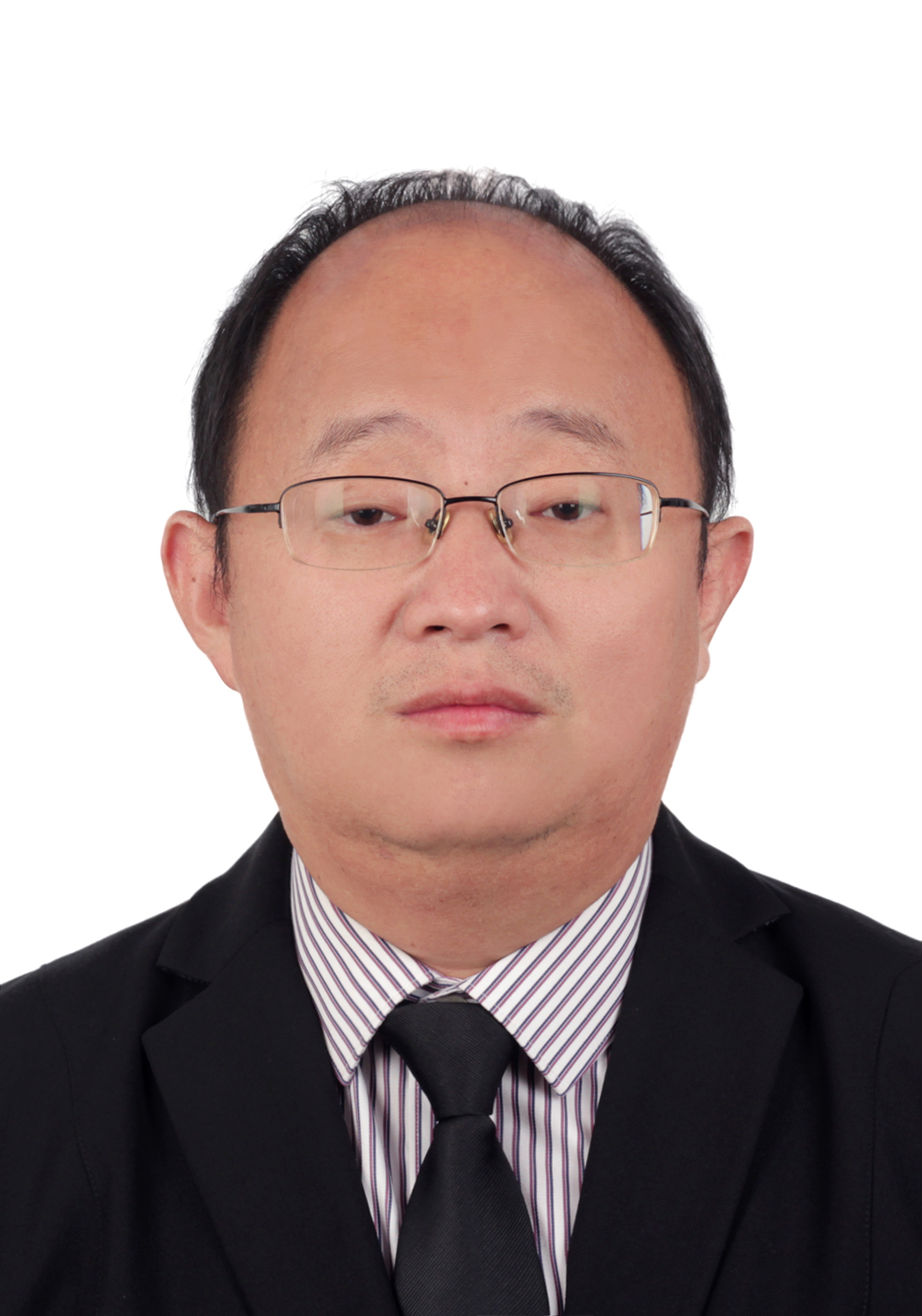
Prof. Tida Ge
Environmental Soil Science and BiogeochemistryState Key Laboratory for Quality and Safety of Agro-Products
Institute of Plant Virology, Ningbo University, Ningbo, China
Speech Title: Characteristics of Paddy Soil: Specifics in Dynamics in Organic Carbon Cycling
Abstract: Rice paddy ecosystem has the dual functions of carbon (C) source and C sink. Therefore, it is of great significance for ensuring China's food security and achieving the goal of "C neutrality", by controlling the C sequestration and greenhouse gas mitigation of paddy soil. In recent years, research focused on the process and mechanism of soil organic carbon (OC) turnover in paddies has been carried out all over the world. This review summarized the process and mechanism of soil C sequestration in paddies from the aspects of sources, transformation, stabilization, and regulation technics of OC, and propose strategies to deal with the "C neutrality". The main source of soil OC was rice straw, root, rhizodeposits, microbial assimilation C and organic fertilizer. After the input of exogenous organic materials into soil, the decomposition and mineralization were first controlled by the dissolution process of OC. The microbial mineralization of the dissolute OC was closely related to soil moisture condition, nutrient content and its stoichiometric ratio, microbial activity, and other factors. Apart from emitted soil OC, the remaining part of inputs was mainly anabolized to form living microorganisms and microbial residues, which were finally fixed in soil protecting by aggregate, organo-mineral colloidal complex, and necromass (amino sugar). Paddy soils in China have significant effect on C sequestration. In the recent 40 years, research data showed that the soil OC content of the subtropic paddy soil has been increased by 60% under the implementation of multiple managements such as irrigate and fertilizer application and straw returning. It had positive effect on achieving "C neutrality" by adopting the managements of increasing C sequestration and mitigating greenhouse gas emission. These managements included optimizing the combination irrigate and fertilizer application and straw returning, establishing an ecological compensation mechanism for C emission reduction, and promoting the inclusion of the rice farming system into the "C trading market". Therefore, it is necessary to clarify the mechanism of C sequestration function in paddy fields, improve the accuracy of accounting and forecasting C neutrality, accelerate the development of C neutralization technology in paddy field in future research, which provide scientific and technological support for achieving the "C neutrality" strategic goal in advance.
Biography: Prof. Dr. Tida Ge is a Professor of Environmental Soil Science and Biogeochemistry at Ningbo University with expertise in soil ecology, biogeochemistry, especially in the field of paddy C cycling and soil health. He has studied and worked in various universities and institutes worldwide: China, UK, Germany, USA and Japan. He was awarded for “Research Fund of Excellent Young Scientists” supported by the Natural Science Foundation of China in 2015. He was also awarded Newton Advanced Fellowship from The Royal Society, UK; the Alexander von Humboldt Fellow for Experienced Researcher from Germany and JSPS Invitational Short-term Fellowships for Research. Tida is an active member of several editorial boards. He is Associate Editor for both Soil Science Society of America Journal and Frontiers in Agronomy, and he’s Editor for Soil Ecology Letters, Biology and Fertility of Soils, and Plant and Soil. He has published >100 papers as the first or corresponding author in journals including Microbiome, EST, GCB and SBB, and an h-index of 70.